



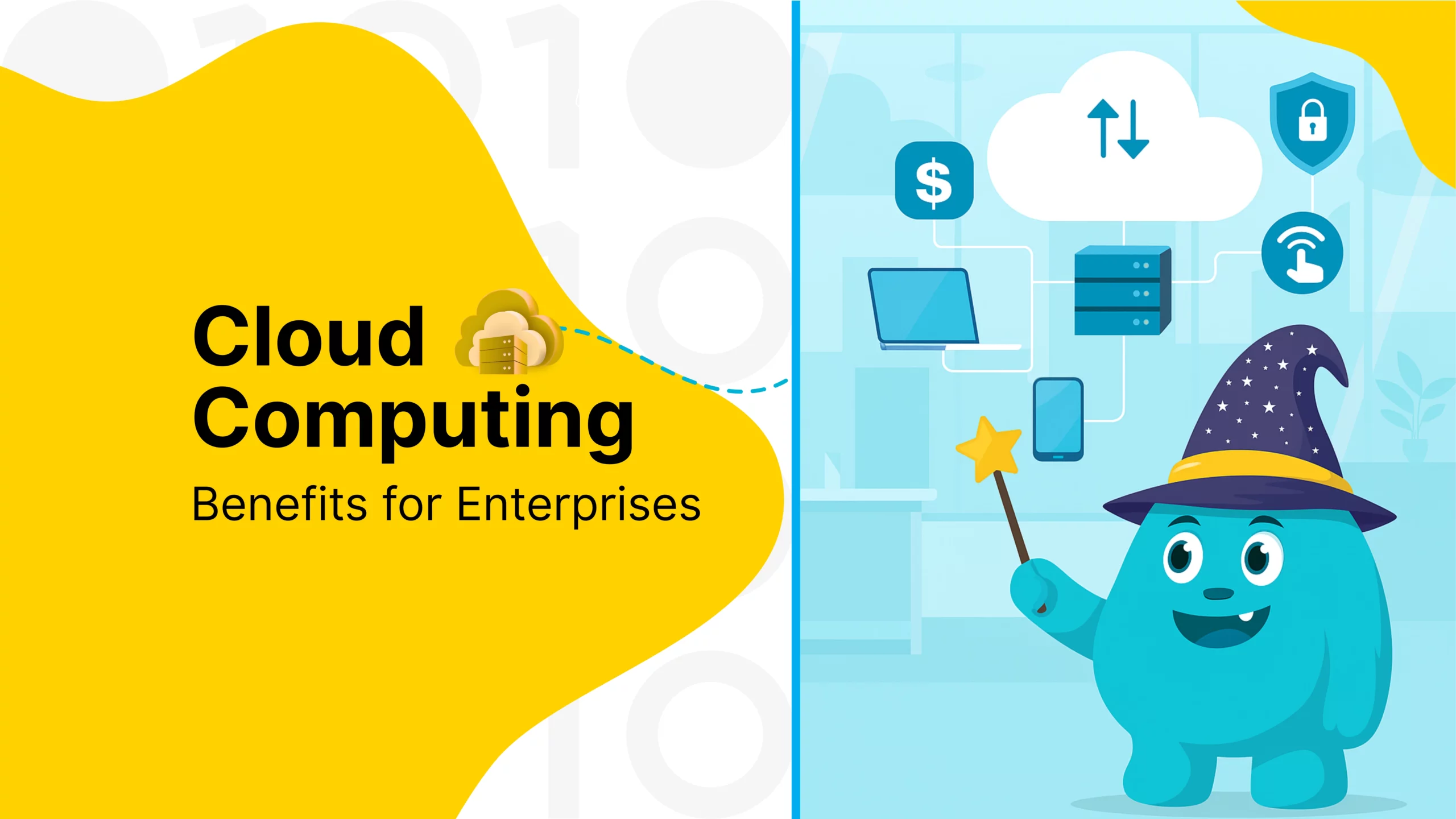


How Cloud Computing Is Transforming Enterprise Operations in 2026
Cloud computing has become a core part of modern business strategy. Enterprises are no longer relying on traditional infrastructure because it limits flexibility, increases costs, and slows down innovation.
By adopting cloud solutions, businesses gain access to scalable systems, advanced tools, and improved operational efficiency. This allows organizations to respond faster to market changes, optimize resources, and stay competitive in a rapidly evolving digital environment.
Cost Efficiency and Reduced IT Expenses
One of the biggest advantages of cloud computing is cost optimization.
Traditional IT systems require large investments in hardware, maintenance, and infrastructure management. Cloud solutions eliminate these upfront costs by offering a usage-based pricing model.
Enterprises only pay for the resources they use, which helps control budgets and reduce unnecessary spending. This makes cloud computing a practical solution for both growing and established businesses.
Scalability to Support Business Growth
Enterprises often face changing demands based on market conditions and business expansion.
Cloud computing allows businesses to scale resources instantly without delays or additional infrastructure. Whether handling increased traffic, launching new services, or expanding operations, cloud platforms provide the flexibility needed to adapt quickly.
This scalability ensures consistent performance while avoiding overinvestment in unused resources.
Improved Collaboration and Remote Work Efficiency
Cloud-based tools make it easier for teams to collaborate and work efficiently from any location.
Employees can access files, applications, and systems in real time, improving communication and productivity. This is especially important for businesses with remote or distributed teams.
Better collaboration leads to faster decision-making and more efficient project execution.
Advanced Security and Compliance Standards
Security remains a top priority for enterprises handling sensitive data.
Cloud platforms offer built-in security features such as encryption, access control, and continuous monitoring. These systems are designed to detect threats early and reduce risks.
In addition, cloud providers follow industry standards and compliance regulations, helping businesses maintain data protection and meet legal requirements.
Reliable Backup and Disaster Recovery
Data loss can have serious consequences for any organization.
Cloud computing provides automated backup systems and disaster recovery solutions that ensure data is always protected. In case of system failure, cyberattack, or unexpected disruption, businesses can quickly restore operations.
This minimizes downtime and ensures business continuity.
High Performance and Minimal Downtime
Cloud providers operate global data centers that ensure consistent performance and high availability.
Enterprises benefit from reliable systems with minimal downtime, allowing them to deliver uninterrupted services to customers. This reliability improves customer satisfaction and business stability.
Access to Advanced Technologies and Innovation
Cloud computing gives businesses access to advanced tools without requiring heavy investment.
Technologies such as artificial intelligence, machine learning, and data analytics are easily integrated into cloud platforms. These tools help businesses automate processes, analyze data, and improve decision-making.
This enables enterprises to innovate faster and stay ahead of competitors.
Sustainable and Energy Efficient IT Infrastructure
Sustainability is becoming an important factor for modern businesses.
Cloud computing reduces the need for physical infrastructure, leading to lower energy consumption. Shared data centers are optimized for efficiency, helping businesses reduce their environmental impact.
This supports long-term sustainability goals while maintaining performance.
Why Enterprises Are Moving to Cloud Solutions
Cloud computing is no longer just a technology upgrade. It is a strategic decision that impacts efficiency, scalability, and growth.
Enterprises that adopt cloud solutions can reduce costs, improve performance, and respond quickly to market changes. This flexibility is essential for staying competitive in 2026 and beyond.
Start Your Cloud Journey with the Right Strategy
Adopting cloud computing requires proper planning and the right expertise.
Icon Pro Solutions helps businesses implement cloud solutions tailored to their needs. From migration to optimization, every step is designed to improve performance and support long-term growth.
If you are planning to upgrade your IT infrastructure, now is the time to invest in cloud computing and build a future-ready business.