



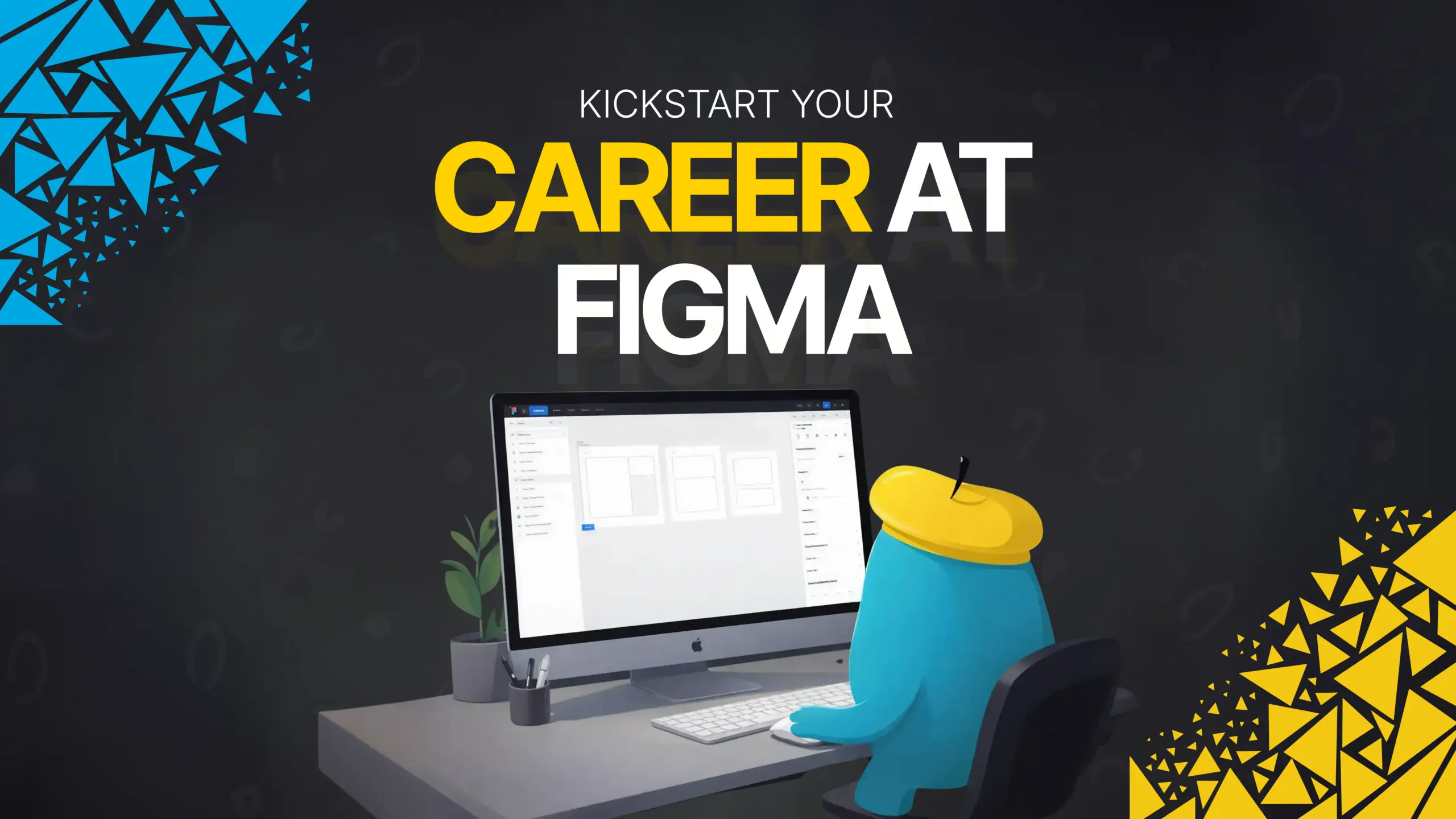
Figma has revolutionized the world of design, offering a collaborative and intuitive platform that empowers designers and teams to create amazing digital products. If you’re passionate about design and eager to work at one of the industry’s leading companies, Figma could be your dream workplace. In this guide, we’ll explore how you can effectively land a job at Figma by following a step-by-step approach, ensuring that your resume, portfolio, and interview process stand out.
Understand Figma’s Company Culture
Before diving into job applications, it’s essential to understand Figma’s values and culture. Figma is known for its collaborative, innovative, and inclusive work environment. The company thrives on teamwork and believes in giving employees the space to grow, learn, and contribute to meaningful projects.
Start by exploring Figma’s mission, core values, and the Figma blog to get a sense of what drives the company. Pay attention to the content they share on their social media channels, as this can give you a deeper insight into their creative processes and team dynamics.
Explore Available Job Opportunities
Figma offers a range of roles in different departments, including product design, engineering, marketing, and sales. To explore the latest openings, visit the Figma Careers page, where you’ll find detailed job listings that align with your skills and experience. Whether you’re an experienced designer or a developer, there’s likely a position that fits your expertise.
When applying, carefully read the job descriptions. Check for the specific qualifications and skills they’re looking for and make sure you meet most of them. While meeting every single qualification isn’t always necessary, ensuring that you have relevant experience or a willingness to learn can make a big difference.
Create a Strong Resume and Portfolio
Your resume and portfolio are crucial when applying for a role at Figma. Here’s how to make sure they’re top-notch:
-
Design Roles: For design positions, showcasing your creative ability is essential. Highlight a diverse range of projects in your portfolio, from user interface design to user experience and product design. Make sure to include projects where you collaborated with teams and used Figma or other design tools.
-
Development and Engineering Roles: If you’re applying for a developer or engineering position, demonstrate your skills with relevant projects. Show that you have experience in coding, problem-solving, and creating scalable solutions. Familiarity with technologies like React, TypeScript, and Node.js will give you an edge.
In both cases, your portfolio should reflect not only your technical skills but also your ability to work in a collaborative environment something Figma values deeply.
Get Ready for the Interview Process
Figma’s interview process is designed to assess both your technical abilities and your fit within their team. While it may vary depending on the role, expect these stages:
-
Phone or Video Screening: Initially, you’ll have a conversation with a recruiter to discuss your background and the role you’re applying for. Be prepared to talk about your experience, motivation for applying, and why you think you’d be a good fit for Figma.
-
Technical Evaluation: Depending on the position, you may be asked to complete a task or coding challenge (for engineering roles) or design test (for creative roles). This step allows the hiring team to assess your problem-solving skills and your ability to execute tasks under pressure.
-
Team Fit Interview: This is the final step where the focus shifts to your collaboration skills. Figma places a lot of emphasis on teamwork, so expect to discuss past projects where you’ve worked with others, handled feedback, and solved complex problems together.
It’s important to not only showcase your technical expertise but also your ability to communicate effectively, work collaboratively, and adapt to Figma’s fast-paced, dynamic environment.
Show Your Expertise with Figma
Since Figma is a design tool, being familiar with the platform is a big advantage. If you haven’t used Figma extensively yet, it’s a good idea to start. You don’t have to be an expert right away, but building a project or contributing to design communities can showcase your commitment to learning the tool.
Contribute to the Figma community by sharing your designs, collaborating on open-source projects, or offering design tutorials. This involvement not only hones your skills but also helps you get noticed by Figma’s hiring team.
Keep Up with the Latest Design Trends
Figma is known for being at the forefront of design innovation, and staying up-to-date with the latest design trends and technologies is essential. Subscribe to design blogs, follow industry leaders, and engage with design-related podcasts. This ongoing education will not only prepare you for a role at Figma but also show the hiring team that you’re proactive about continuous learning.
Network Within the Figma Community
Networking is a great way to increase your visibility and build connections. Attend design meetups, webinars, or even Figma-hosted events to engage with like-minded professionals. By joining Figma’s events or participating in their community, you can interact with current employees, ask questions about the company’s culture, and potentially get noticed by someone on the hiring team.
Joining the community will also give you insights into Figma’s approach to design and how you can contribute to their mission. Networking allows you to stand out in the hiring process and makes it easier to gain referrals.
Patience and Persistence Pays Off
The hiring process at Figma can be competitive, but don’t be discouraged if you don’t get hired right away. Take this as an opportunity to keep growing and refining your skills. Figma values continuous improvement and growth potential, so persistence is key. If you aren’t selected for the position initially, keep learning, building your portfolio, and applying for future opportunities.
Working at Figma isn’t just about landing a job it’s about joining a company that’s changing the design world and collaborating with others to build impactful digital products. Even if it takes time, your determination and dedication will get you closer to your goal.
Final Tips for Your Career at Figma
Landing a role at Figma is an exciting opportunity, and with the right approach, it can be within your reach. To summarize:
-
Research Figma’s values and culture to ensure a good fit.
-
Regularly check the careers page for job openings.
-
Build a portfolio that showcases both your skills and collaborative work.
-
Prepare thoroughly for interviews, focusing on both technical skills and teamwork.
-
Stay active in the Figma community and network with others in the design industry.
Remember, Figma is more than just a design tool; it’s a community of passionate, innovative individuals who are shaping the future of design. By following these steps and being proactive in your application process, you’ll be well on your way to kickstarting your career at Figma.