



What Does POS Mean?
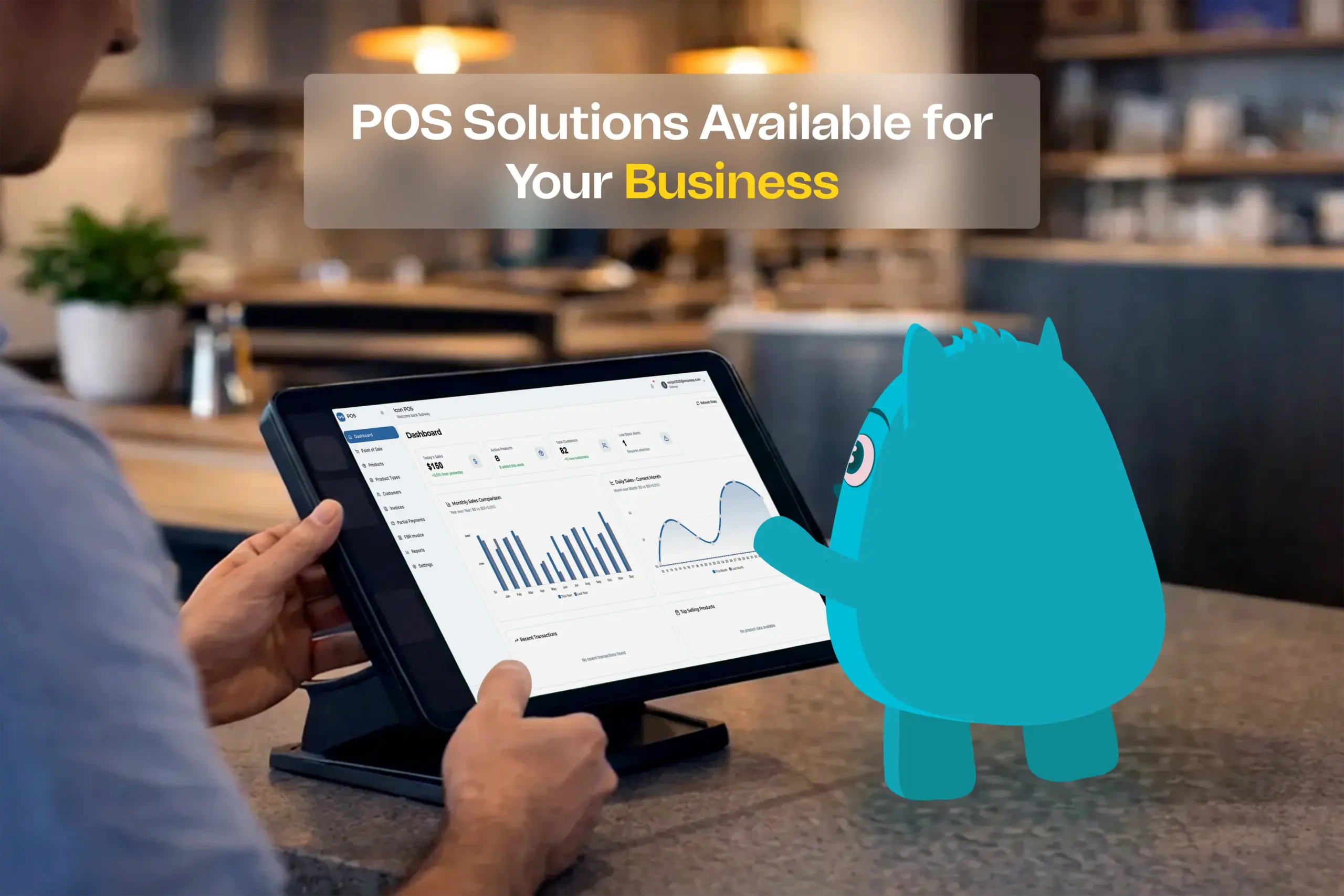
If you’ve been running a business, or even just shopping around, you’ve likely heard the term POS tossed around. But what does it really mean? In simple terms, POS stands for Point of Sale. It refers to the moment and place where a customer makes a payment for goods or services, whether that’s at a physical store, a restaurant, or even on an online platform.
But POS is not just the place where the transaction happens; it’s also the system that helps businesses process payments, track inventory, and manage customer interactions. Whether you are a small business owner or part of a larger enterprise, having a good POS system in place is crucial for smooth operations.
What is a POS System?
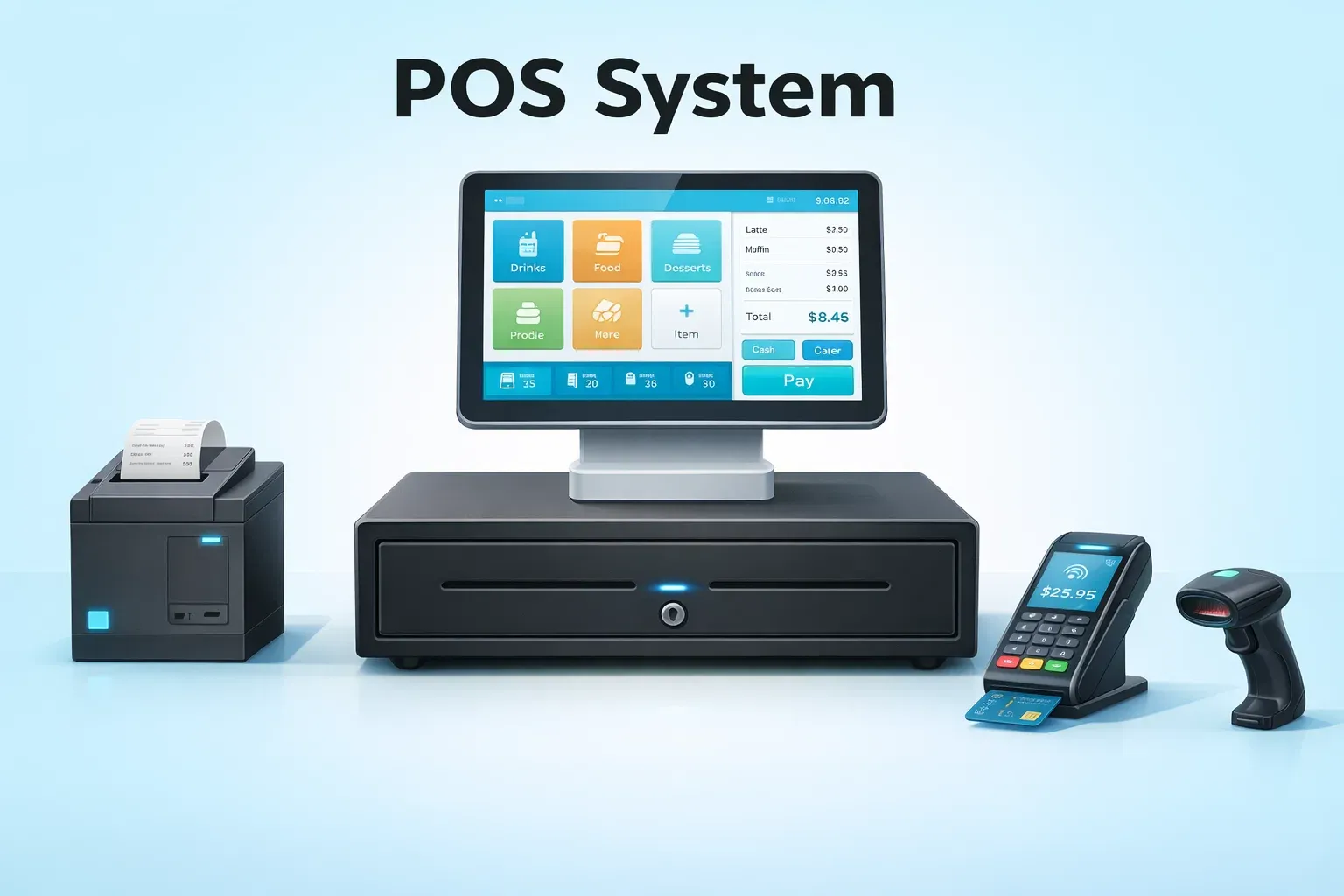
A POS system is essentially the combination of both hardware and software that businesses use to complete transactions and manage various aspects of their operations. It’s a step beyond the old-school cash register and offers much more functionality. A modern POS system typically includes:
-
A payment terminal or cash register
-
A barcode scanner
-
A receipt printer
-
POS software to track sales, inventory, and even customer information
These systems are designed to make transactions faster, more accurate, and efficient. They help keep your business organized by automating many of the time-consuming tasks that were once done manually.
What is a POS Used For?
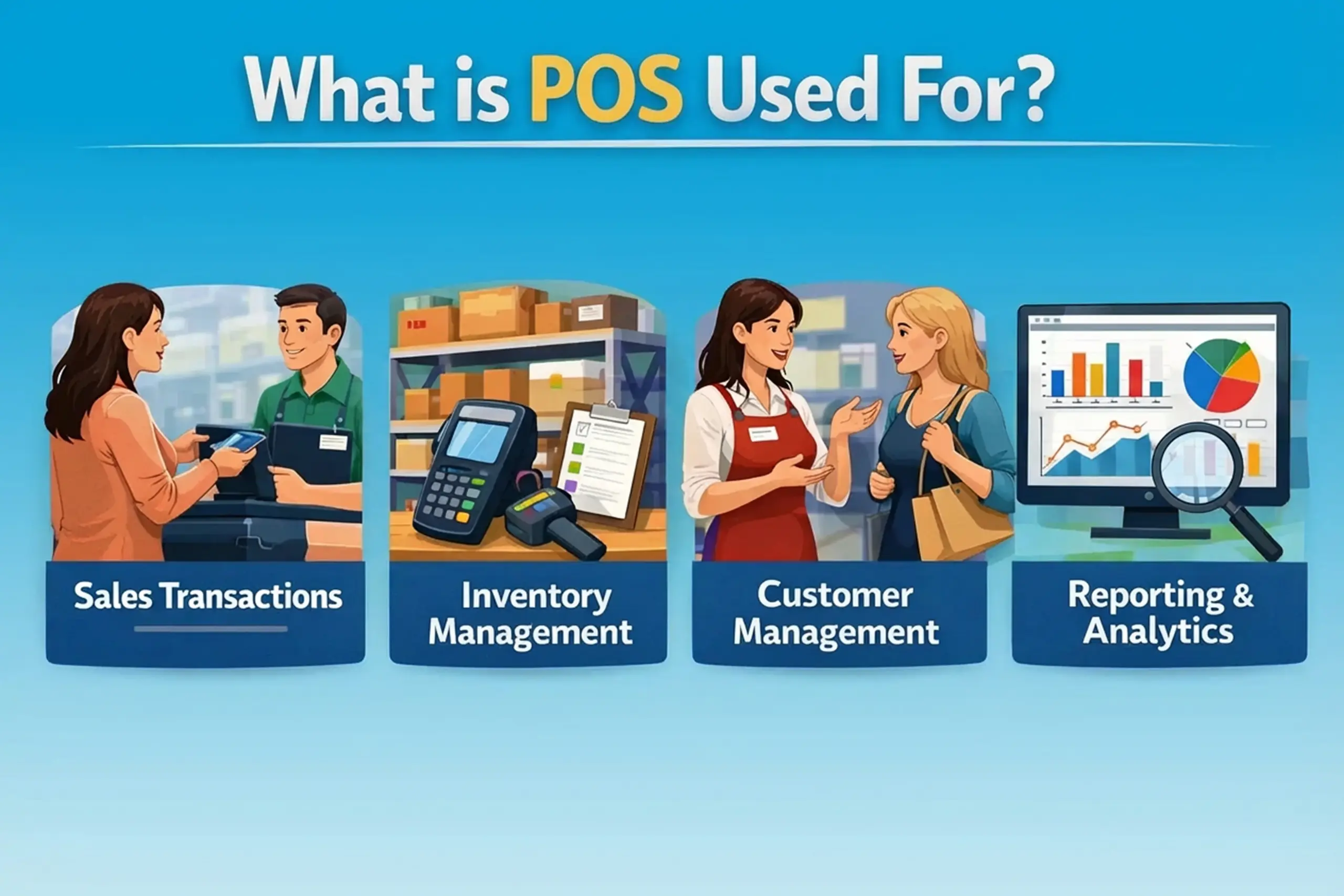
So, why do businesses need a POS system? Well, it does a lot more than just handle payments. Here are some key features of a POS system:
-
Transaction Processing: Of course, the most important function of a POS system is to complete sales transactions. Whether your customer is paying by card, cash, or mobile payment, your POS system handles it all.
-
Inventory Management: A good POS system automatically updates your inventory in real-time as items are sold. This means you can always know what’s in stock, which saves you time and reduces the chances of running out of popular products.
-
Sales Tracking: A POS system records every sale you make, which helps you track daily, weekly, or monthly performance. This insight allows you to make smarter decisions when it comes to your products and pricing.
-
Customer Management: Many POS systems let you track customer preferences and purchase history, which helps you offer personalized service, build loyalty programs, and even improve customer relationships.
-
Employee Management: You can also use your POS to manage employee shifts, monitor their sales performance, and handle payroll.
How Does a POS System Work?
A POS system is pretty straightforward to use, and here’s how it works:
-
Transaction Initiation: When a customer is ready to pay, you simply input the items they are purchasing into the POS system. This can be done by scanning barcodes or manually entering the information.
-
Payment Processing: The customer then chooses their payment method. Whether it’s via credit card, debit card, or mobile wallet, the POS system processes the payment securely.
-
Receipt Generation: Once the transaction is complete, the POS generates a receipt, either printed or sent via email.
-
Inventory Update: After each sale, the POS automatically updates your inventory, ensuring that your stock levels are always accurate.
-
Data Management: The transaction data is stored for easy access. This means you can pull reports whenever you need them to analyze your sales trends, track performance, or prepare for taxes.
Why is a POS System Important for Your Business?
In today’s world, having a POS system is no longer optional. It’s an integral part of running a smooth, efficient business. Here’s why a POS system is essential:
-
Boosts Efficiency: By automating various tasks, like transaction processing and inventory management, a POS system helps you save time. This allows you to focus on growing your business instead of getting bogged down with manual tasks.
-
Improves Customer Experience: Customers love a smooth, quick checkout process. With a POS system, you can process transactions faster, which keeps lines short and improves the overall shopping experience. Plus, having access to customer data allows you to offer personalized service, which builds loyalty.
-
Better Financial Management: With everything automated, your sales, profits, and expenses are all tracked in real-time. This makes accounting easier and more accurate, and also helps when tax season rolls around.
-
Scalability: As your business grows, your POS system can grow with it. Many modern POS systems offer cloud-based options, which means you can manage multiple locations and track data from anywhere.
Why Choose Icon Pro Solutions’ POS System?
At Icon Pro Solutions, we understand the challenges businesses face when it comes to managing sales, inventory, and customer relationships. That’s why we’ve created a POS system that is designed to meet the needs of any business, big or small. Our system is user-friendly, customizable, and affordable, making it perfect for business owners who want to streamline their operations and boost efficiency.
Whether you run a restaurant, a retail store, or another type of business, our POS system can help you manage transactions, track inventory, and gain valuable insights into your business performance. Plus, with real-time reporting and the ability to access data from anywhere, you’ll always be in control.
If you’re ready to take your business to the next level with an advanced and reliable POS system, contact Icon Pro Solutions today. Visit Icon Pro Solutions POS to learn more and get started.